home > inorganic > architectural > columns and capitals
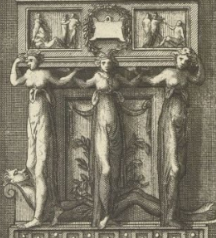
Sculpted figures of humans that are used in place of traditional columns to support a structure like an entablature, balcony, or roof.
An upright shaft, standing on a base and topped with a capital, typically cylindrical, and made of stone or concrete, supporting an entablature, arch, or other structure. Can also stand alone as a monument. Note: no need to separate base, shaft, and capital unless broken or depicted in fragments. See below for column parts.
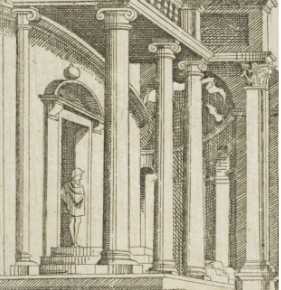
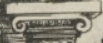
The sculpted decorative element at the top of a column that serves as a transitional area between the shaft of the column and the masonry or entablature it supports.
A column with four sides or faces, forming a square shape, often used in architecture to provide support and visual symmetry in structures.
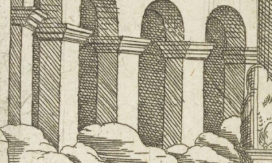
Round columns that are attached to or partially embedded in a wall. They project outwards, but are not fully detached like a freestanding column.
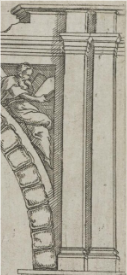
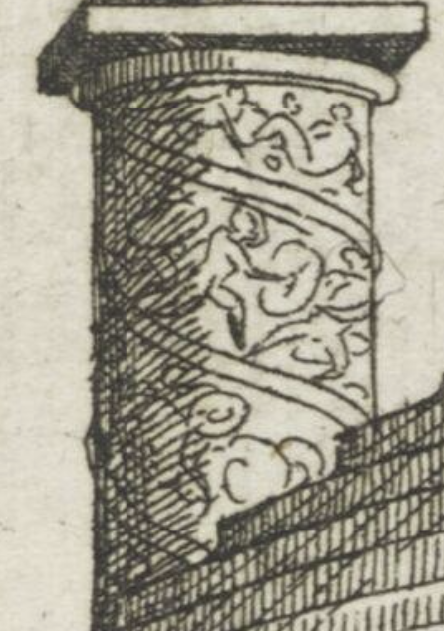
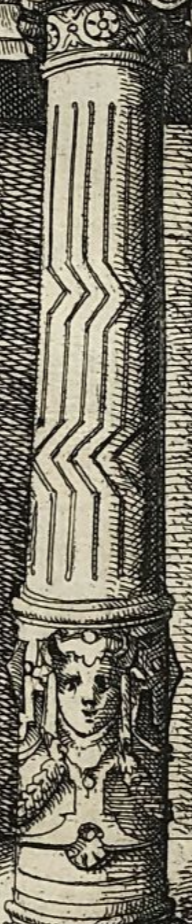
The cylindrical portion of a column (without its capital or base). It may be decorated or undecorated.

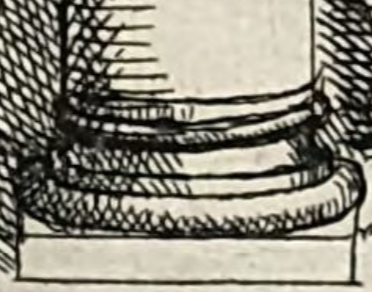
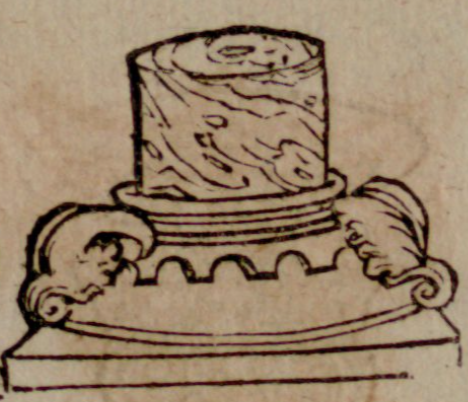
The bottom, often stepped, round-edged, disk-like layers that support the column shaft. May or may not be situated on a pedestal.