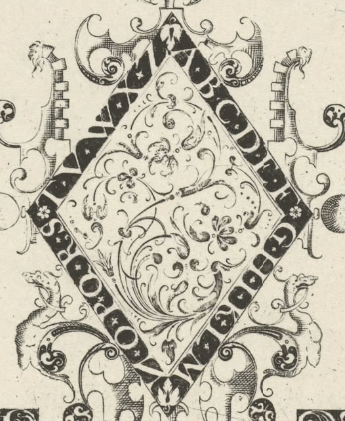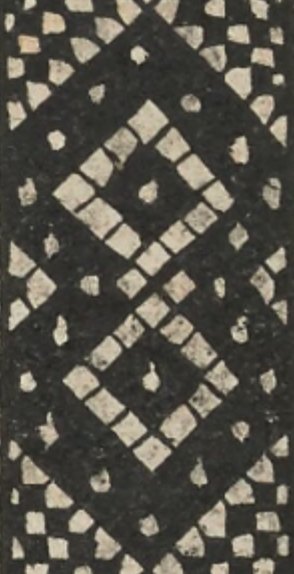

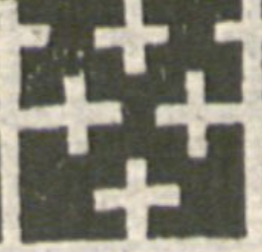
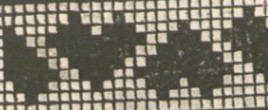
The basic motif that is repeated in a larger pattern. See the motifs outlined in color in the adjacent slide show of images.
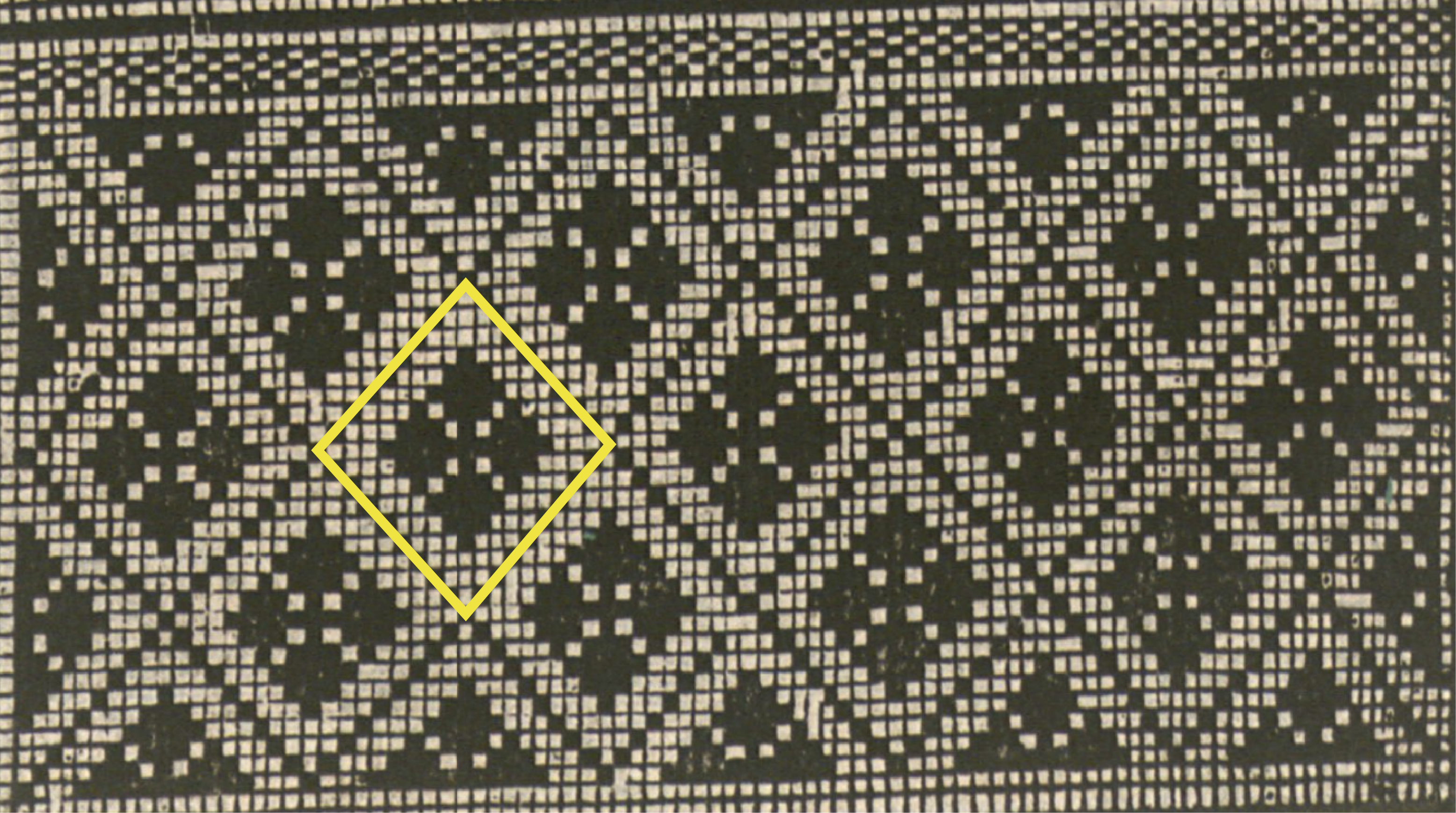
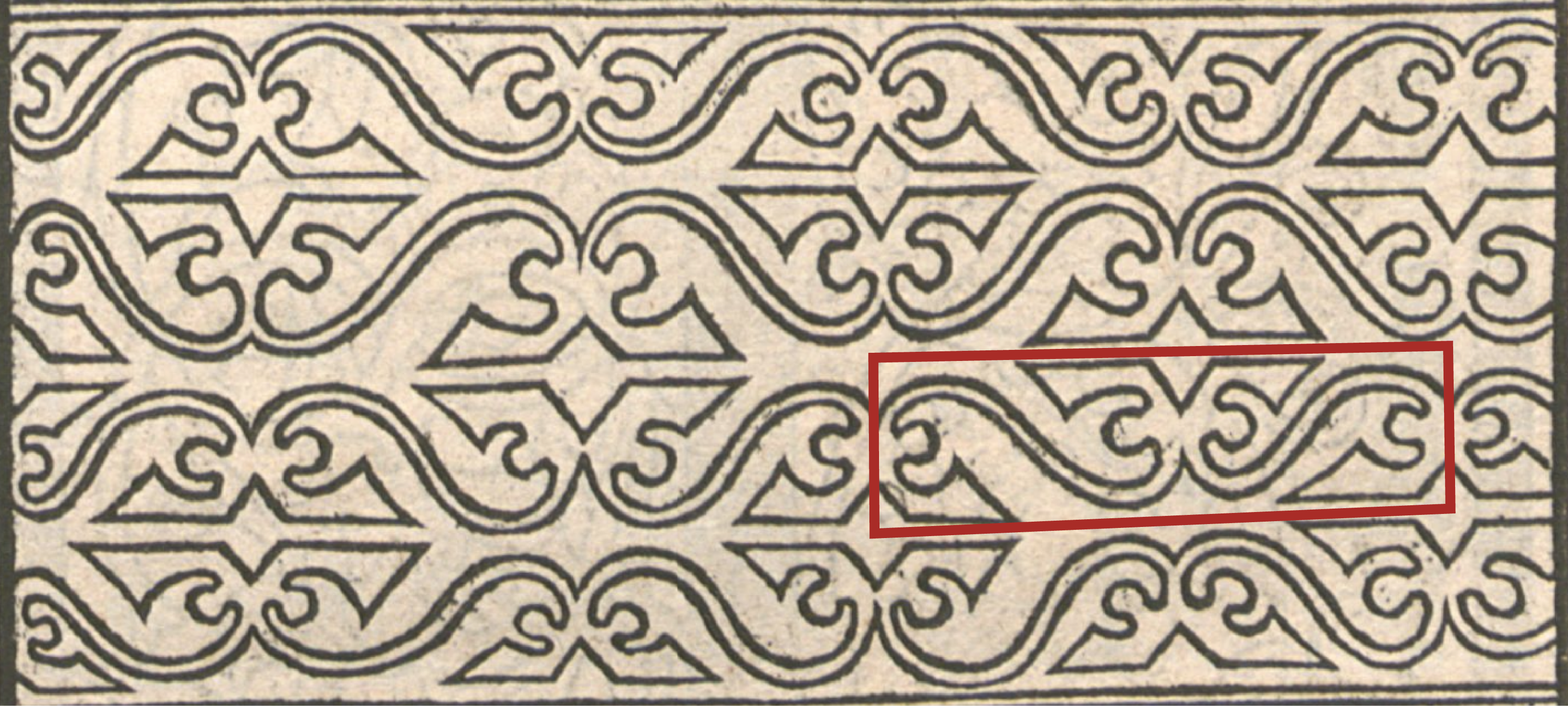
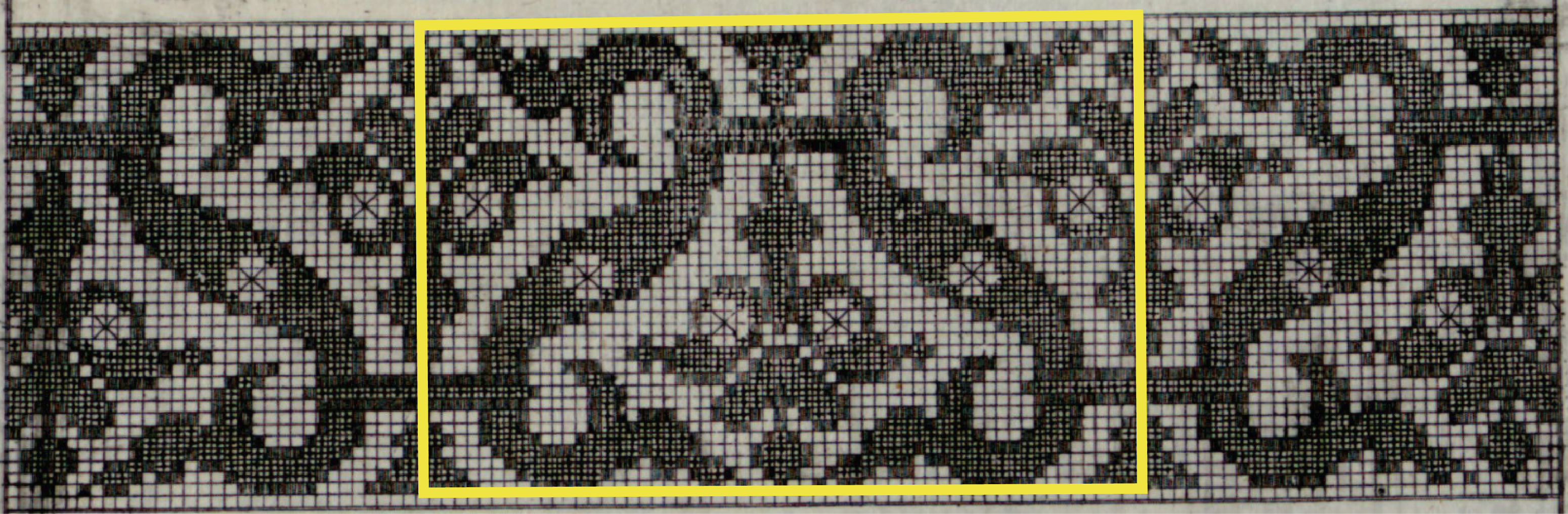
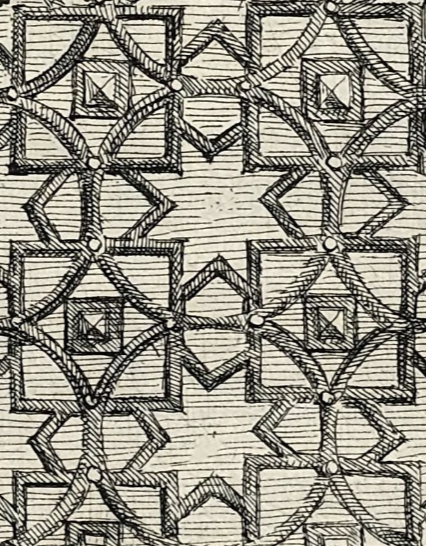
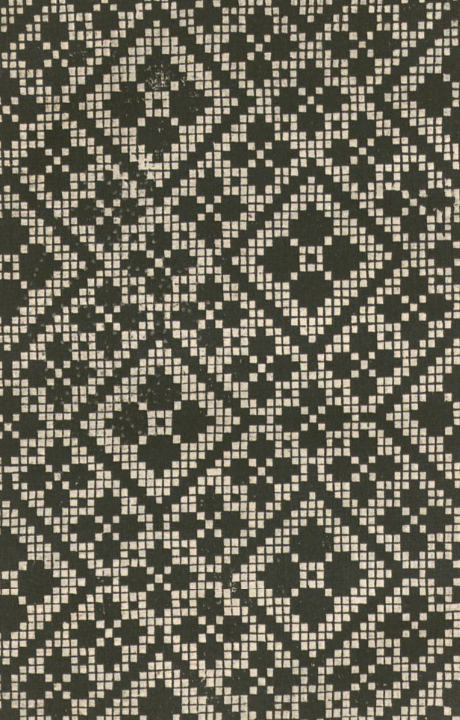
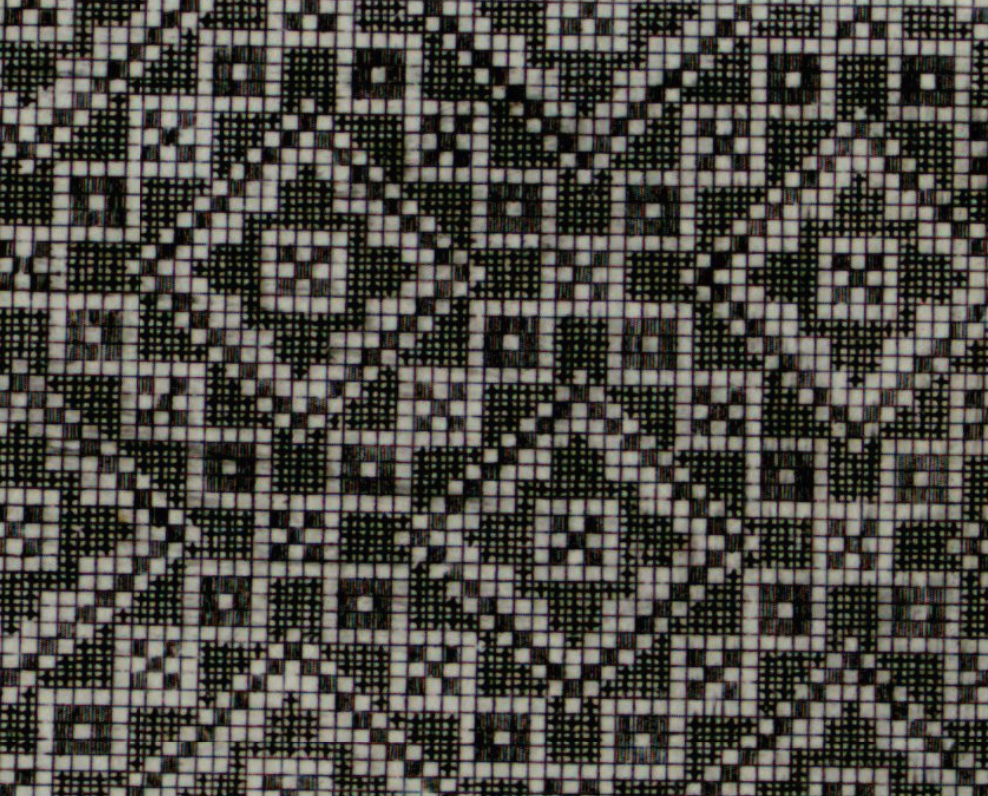
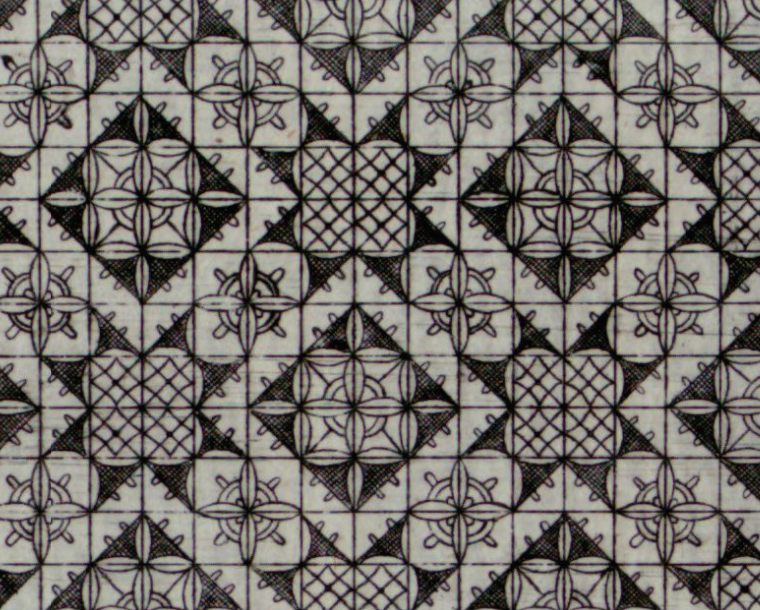
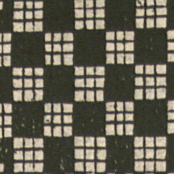
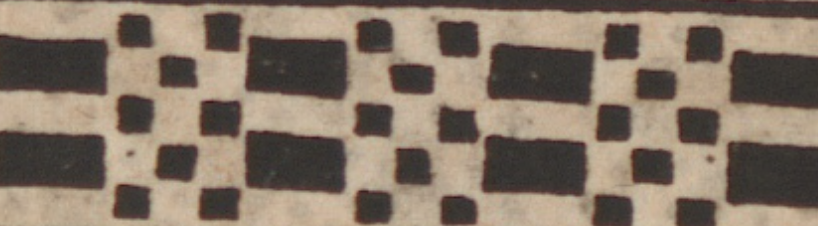
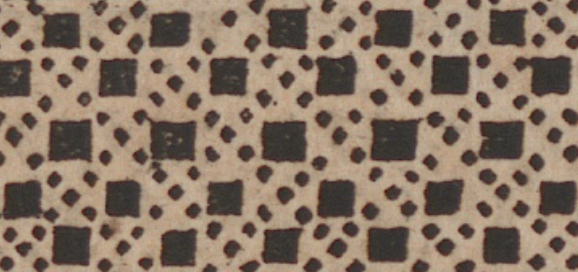
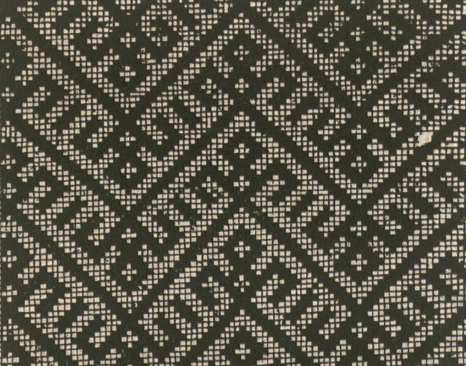
A repeat pattern formed by small, repeated geometrical motifs (squares, rectangles, or lozenges, etc.) used to decorate stone surfaces in architecture, textiles, and backgrounds in illuminated manuscripts, wall painting, or panel painting.
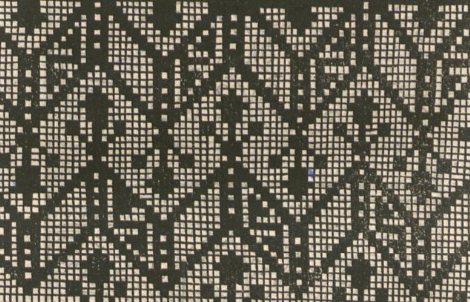
Design made of tiled ogees, that is, double-opposing curves that mimic mirrored “S” shapes or an inverted “onion” shape.
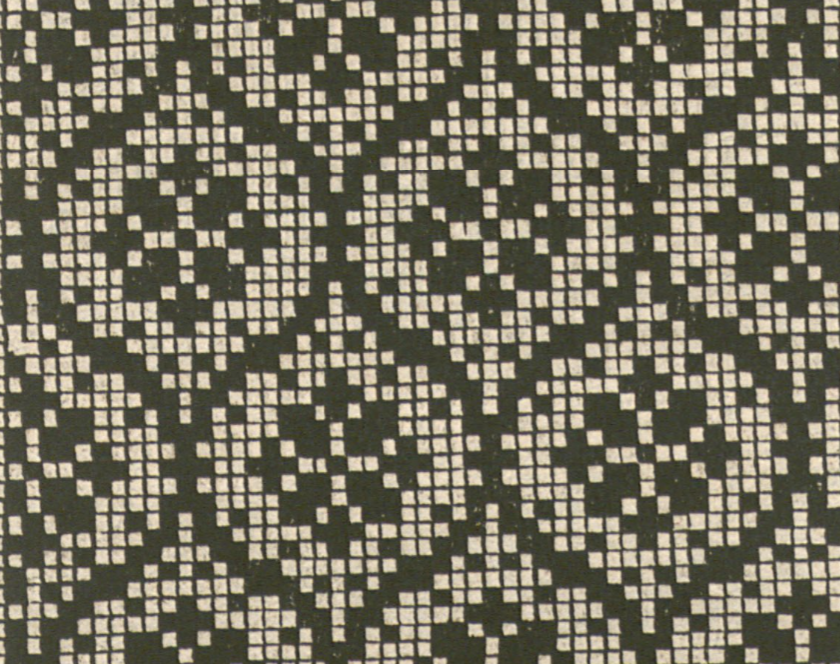
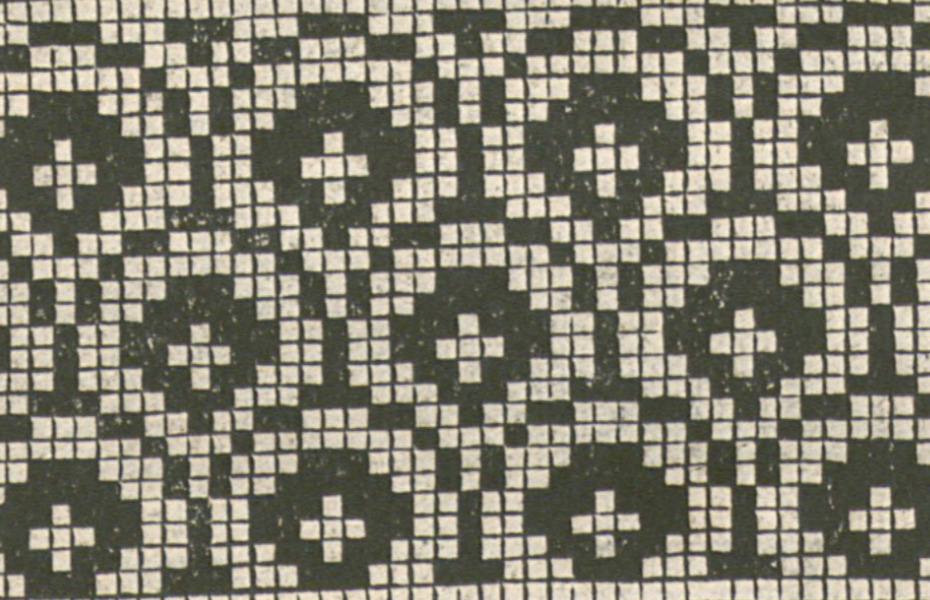

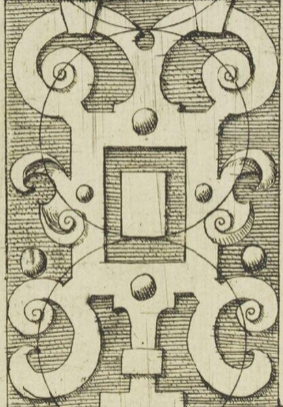
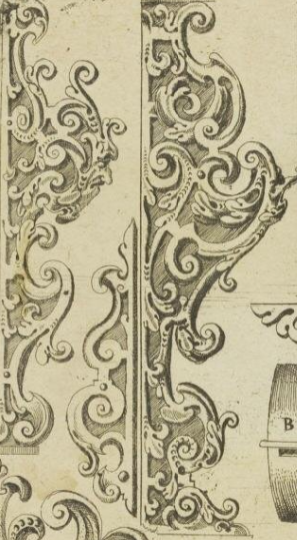
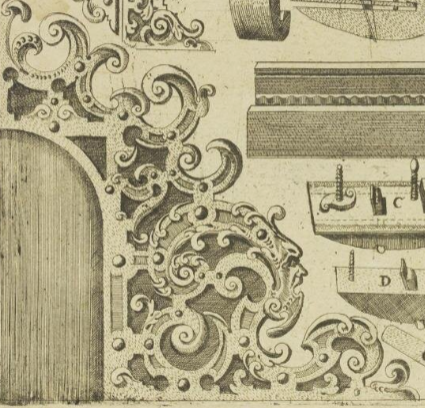
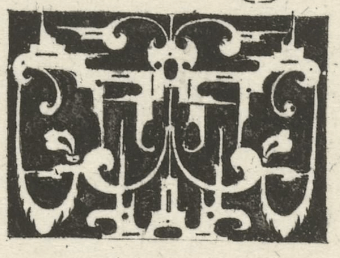
stylized, ribbon-like forms, often appearing thick as though made of cut leather or metal, arranged in elaborate shapes and often interwoven in a pattern or frame-like device via the use of piercing or rivet holes.

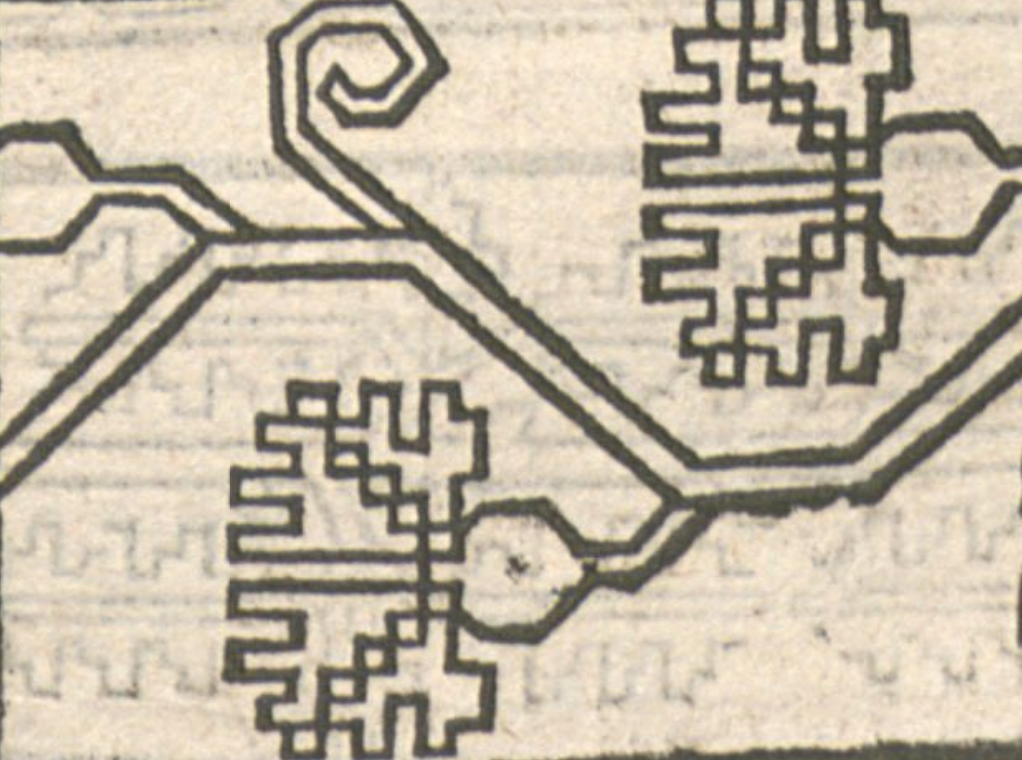
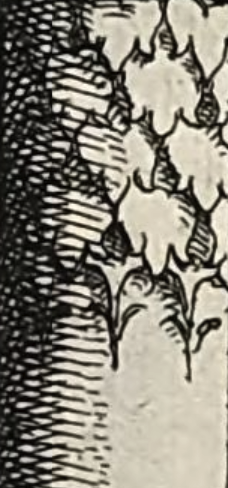
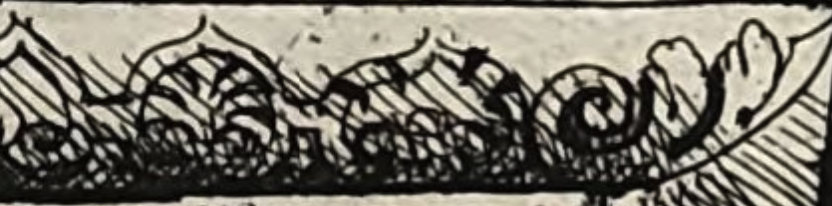
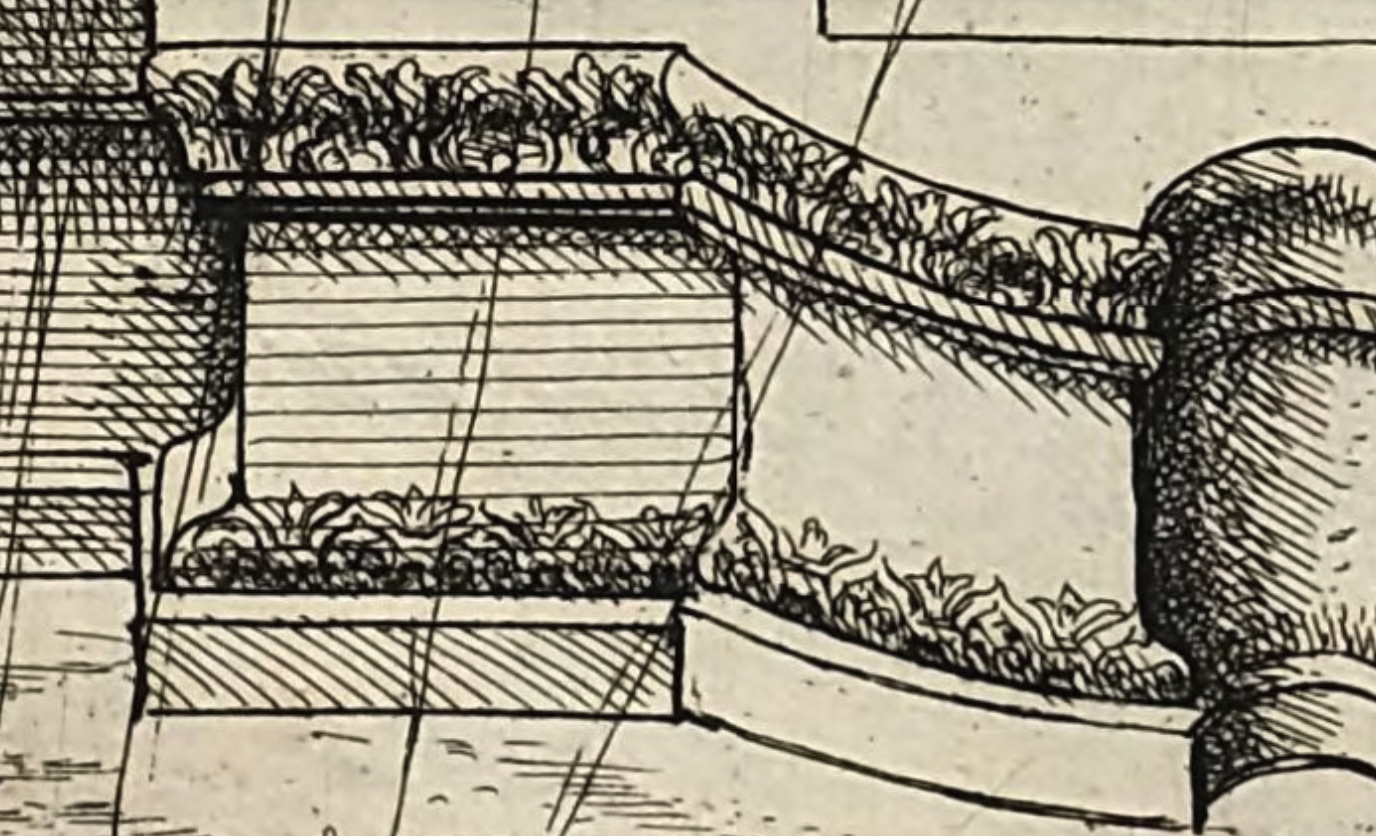
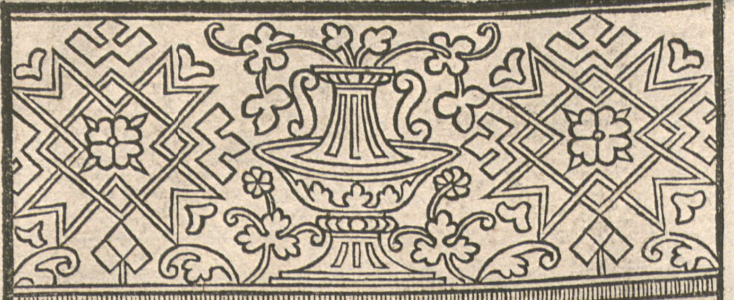
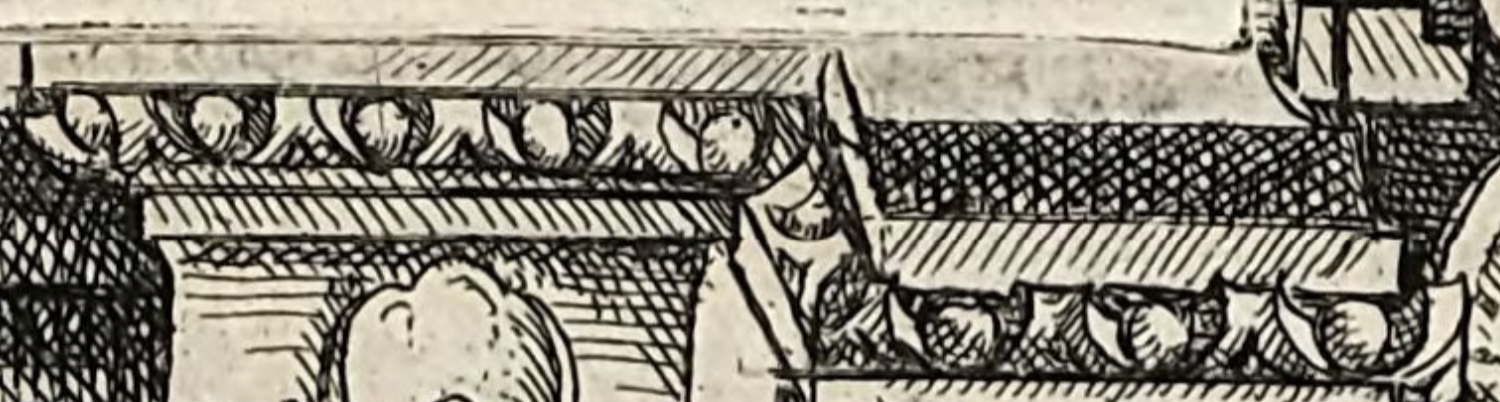
A classical architectural ornament made of a repeating pattern that alternates between an oval shape (an “egg”) and a pointed, V-shaped or arrow-like element (a “dart”).
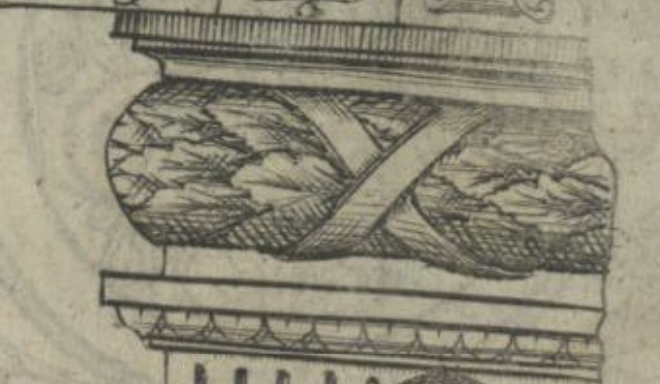
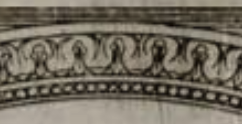
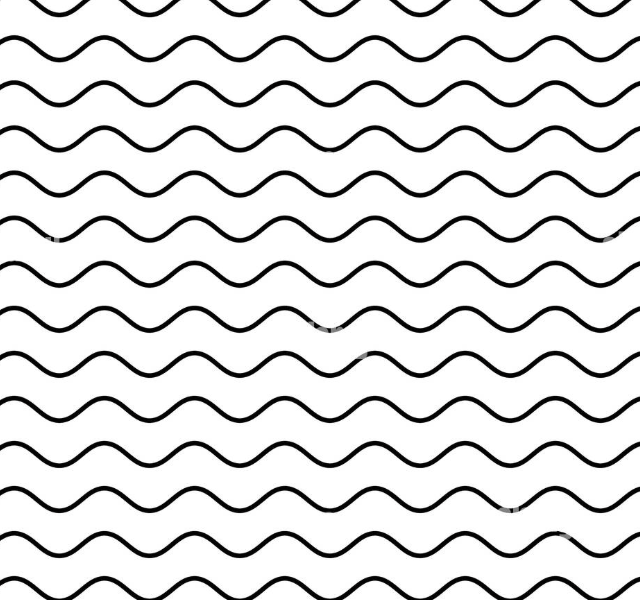
A repeating decorative border pattern that mimics breaking ocean waves or a series of rolled parchment paper viewed end-on.

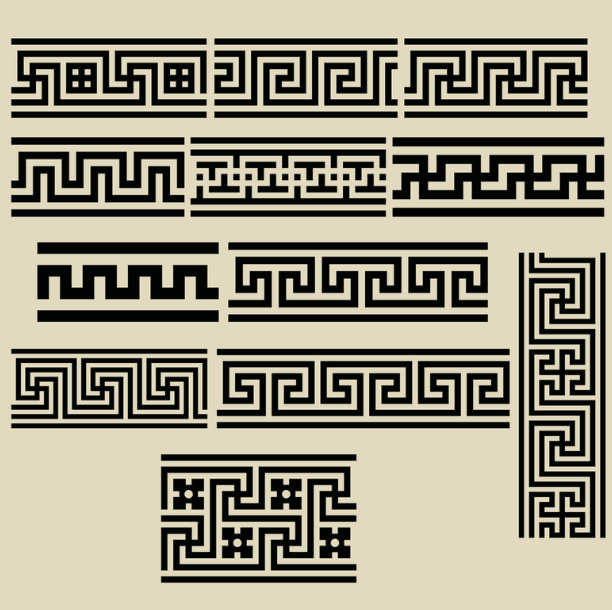
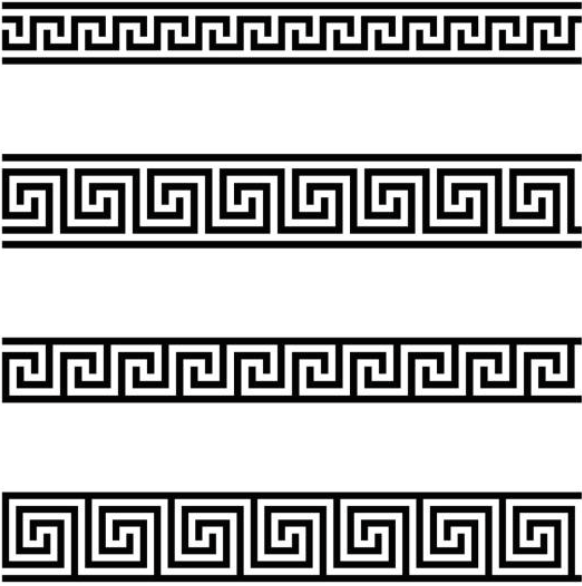
A decorative border constructed from a continuous line, shaped into a repeating motif. The most recognizable meander pattern is the Greek key.
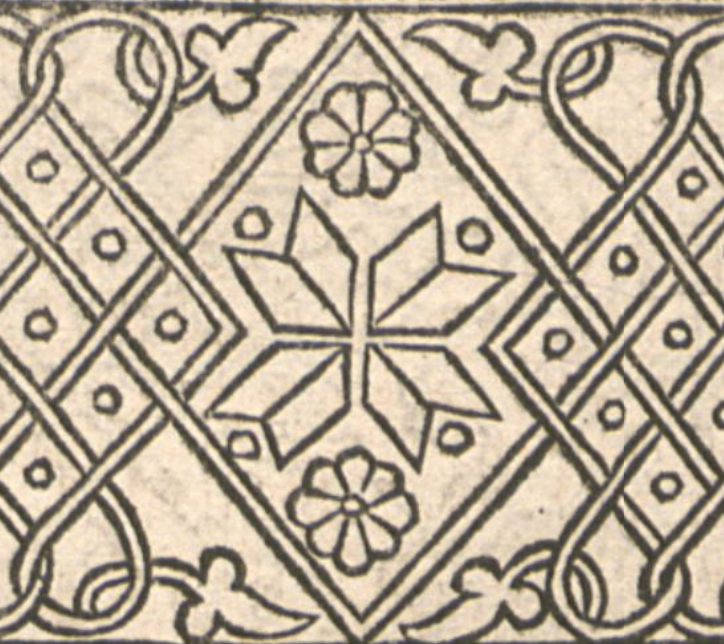
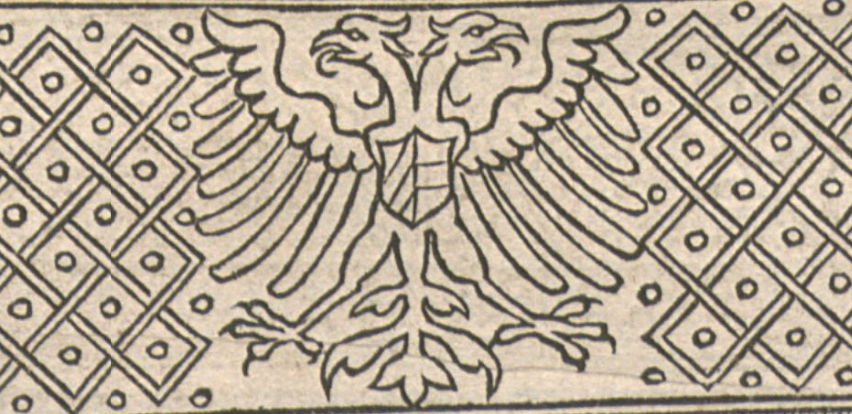
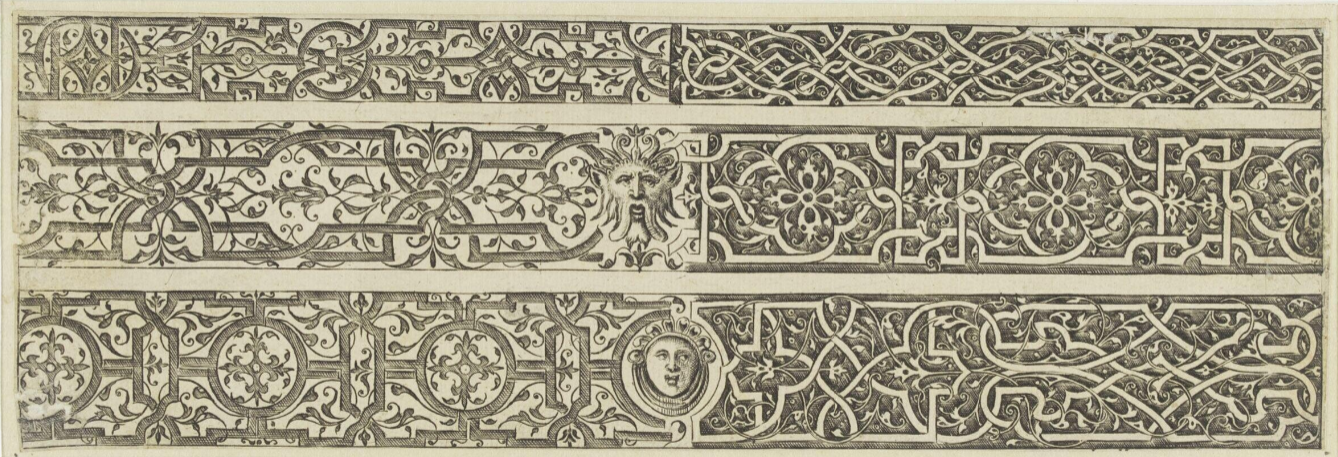
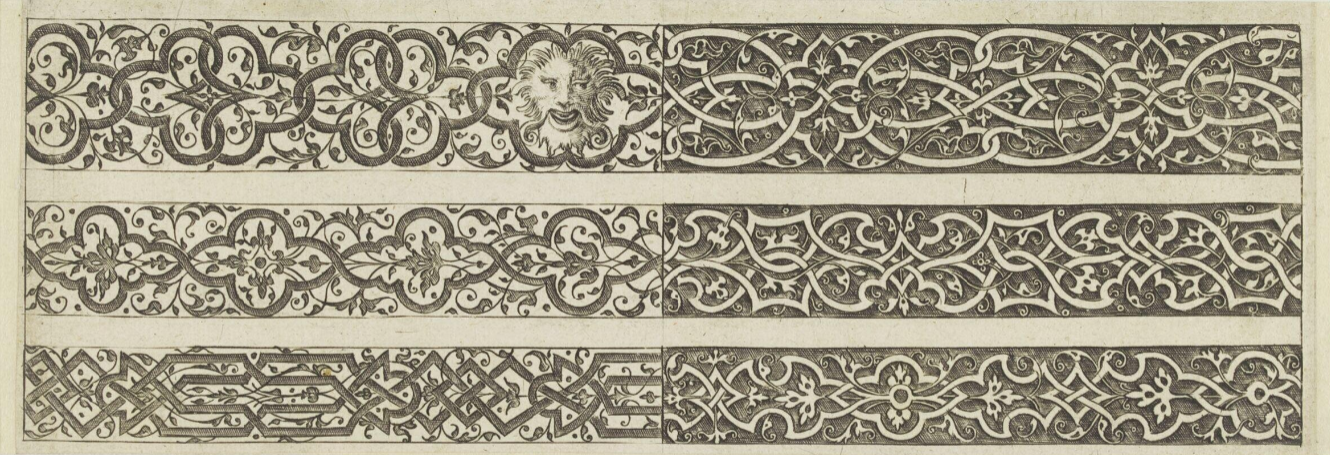
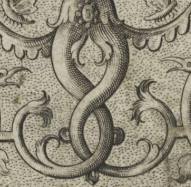
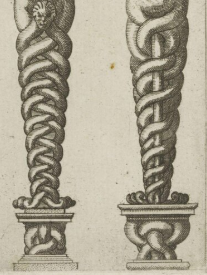
A decorative pattern or border constructed from interweaving lines and shapes that periodically repeat. Though they can resemble strapwork, interlace patterns are typically less three-dimensional and tend to emphasize the interweaving or knotting of lines.
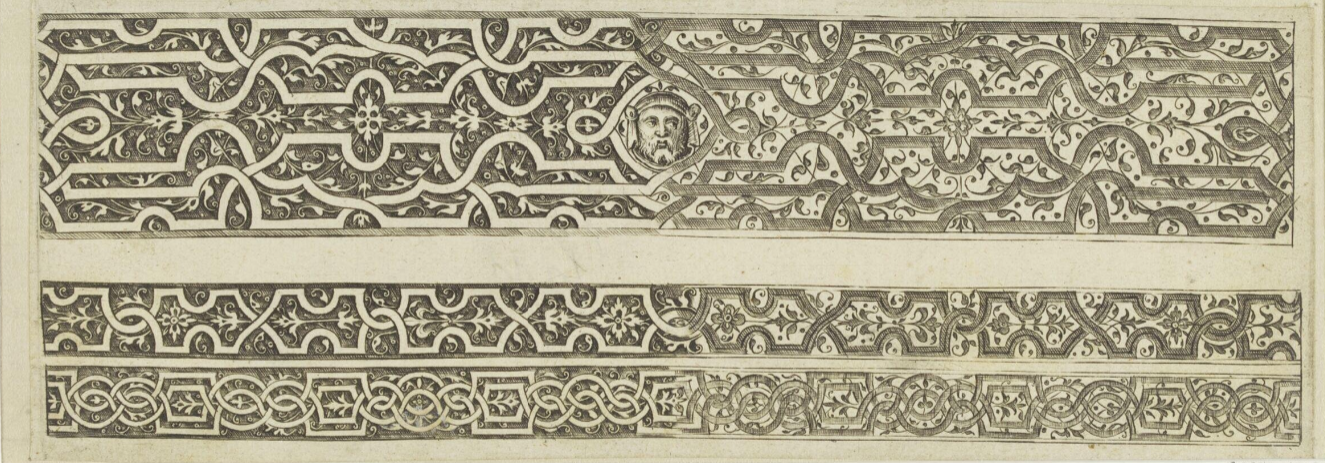
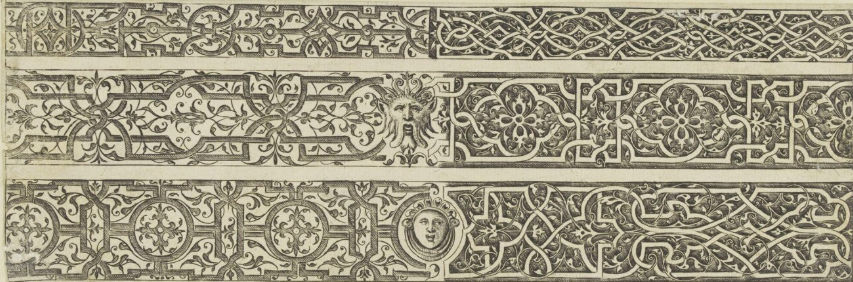
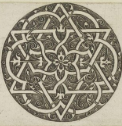






Numerous small dots that are present in drawings, paintings, or engravings as a decorative pattern (rather than as a way to shade an object to give it the illusion of dimensionality).

Letterforms used not to spell words, but purely for their aesthetic forms to decorate an area.